The yard / Yard work
Yard work - five things, done by hand
What the yard actually does
Sorting material is the easy half. The other half is writing down what it is, where it came from, and how it goes back to work. These five boards describe all of it, including what you should bring to the gate for each one.
Nothing here is ordered online
What the yard takes in:
- Panel doors
- Heart-pine flooring
- Sash and glazing
- Brick matching
- Beams and joists
- Plumbing fixtures
- Paint and finish
- Provenance lots
- Glossary terms
- Yard bins
Board 01 / Yard notes
Yard notes
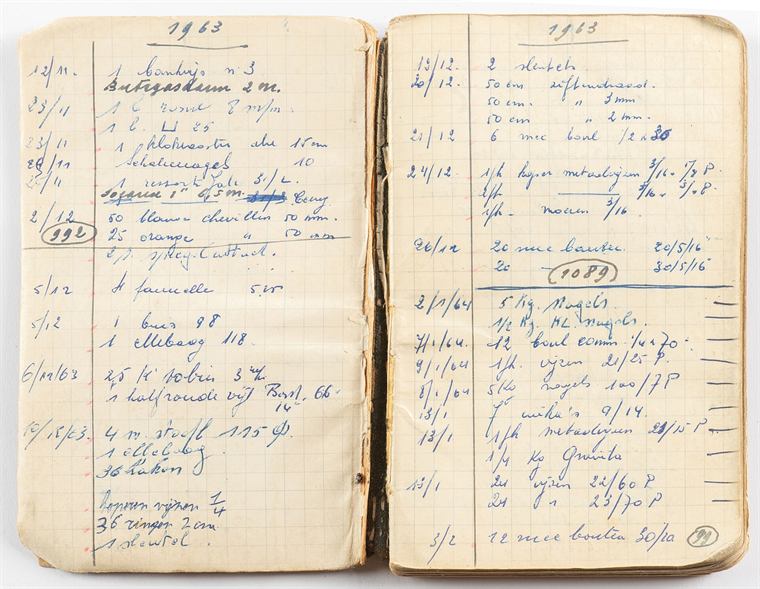
Weekly entries of what arrived: forty panel doors, a run of heart-pine flooring, sash glass worth glazing again. Each note says what the lot is, how many, what condition it came off the truck in, and which bin it went to.
The notes are written at the end of the day, in the order the material came in, and they are published here on Fridays. If a lot leaves before Friday, the note still goes up with the bin marked as emptied.
Bring usA head count and a straight answer about how the material was stored. Wet flooring written down as dry causes an argument two months later.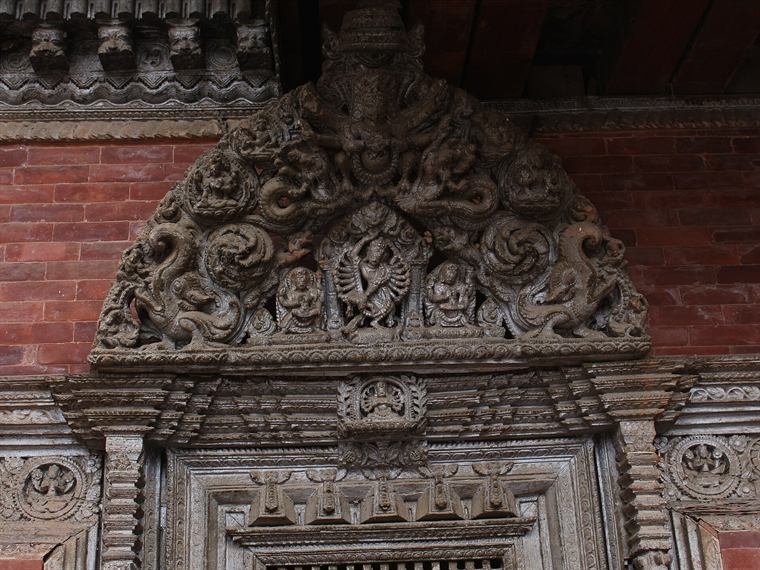
Board 02 / Reuse guides
Reuse guides
How a saved material goes back to work: stripping a door, freeing a hinge, matching brick, re-glazing a sash. The guides come off the bench, not out of a book, which means they include the step everybody skips and the reason it matters.
Two are published now: stripping a painted door and re-glazing a wood sash. Each lists the tools on the bench before it starts, so you know whether the afternoon is realistic.
Bring usThe job you actually have. A guide written for a six-panel door and a guide written for a flush door are not the same guide.
Board 03 / Trade glossary
Trade glossary
The words the yard uses, defined plainly: jamb, flashing, heart pine, lite, mullion, reveal. Definitions are written the way they get said at the gate, which means short, concrete, and honest about where two words get mixed up.
Twelve of them are painted on the board at the bottom of this page. The longer sign board - twenty-two words grouped the way the bins are grouped - has its own page. If a word on a bin tag appears on neither, call and ask, and it will be added on the next Friday.
Bring usThe word you heard and where you heard it. Trade words change by county, and the yard would rather record both meanings.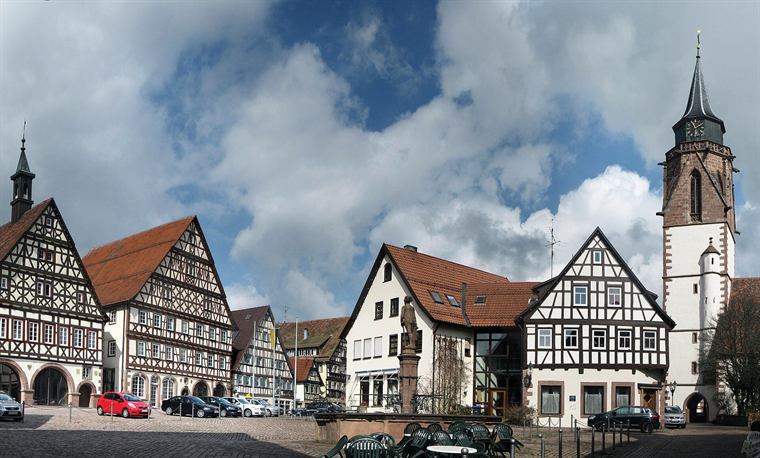
Board 04 / Provenance records
Provenance records
Where a lot came from and what was true of it: the school gym floor, the church sash, the warehouse beam. A provenance note carries the lot number, the kind of building, the part of the building, and anything the crew noticed that would matter later.
Where the paperwork ran out, the note says it was a guess and marks it as one. No certification is offered, and none is implied: this is a record kept by the people who carried the material.
Bring usWhatever you know about the building: the address, the year if you have it, and which part of it the material came out of.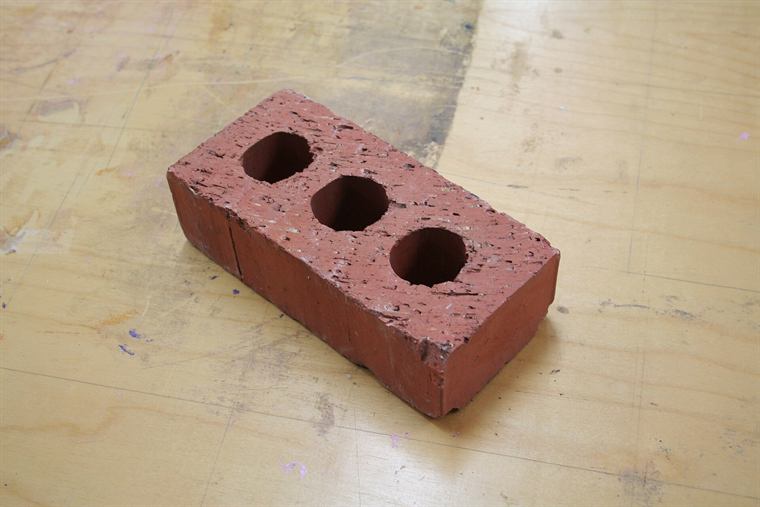
Board 05 / Match requests
Match requests
How a sample comes to the yard and how the shelves get searched for its match, bin by bin. Bring the piece in hand if you can: brick, a length of flooring, a door stile, a pane of glass. Photographs help narrow the walk, but colour under a warehouse light lies.
A match request takes an hour of somebody's afternoon, so the yard asks for one thing first: call and describe it. If the answer is clearly no, you hear it in two minutes and drive no further.
Bring usThe sample itself, plus one measurement you trust and a photograph taken in daylight, not under a bulb.Trade glossary
Words the yard uses, defined plainly
Painted on the board by the office door, in the order they come up in conversation. The full twenty-two-word board is on the glossary page.
-
Jamb
The upright sides of a door or window frame. The hinge side takes the load; the latch side takes the abuse.
-
Lite
One piece of glass in a sash or a door. Also used for the opening it sits in, which is why six-lite means six panes.
-
Mullion
The upright post between two openings, or between two sash in a window wall. Structural, and heavier than people expect.
-
Muntin
The thin bar that divides the lites inside one sash. Not a mullion. Say it wrong at the gate and you will hear about it.
-
Reveal
How much of the jamb or door is left showing once the trim is on. Set it wrong and the door looks like it was fitted by feel.
-
Heart pine
Old-growth longleaf pine: tight rings, resinous, hard on blades. Flooring from it usually outlives the building it came out of.
-
Flashing
The metal or membrane that sends water back out where two surfaces meet. Salvage flashing is only worth keeping if it is not creased.
-
Glazing bar
The bar that holds the lites in a sash, including the one that runs to the meeting rail. The part that rots first, always.
-
Putty
Glazing compound. Old putty that has gone to chalk comes out clean; old putty that has stayed soft is the one that fights you.
-
Quarter-round
A small moulding used to hold glass or cover a gap. Easy to replace, and the reason a lot of salvaged sash looks finished.
-
True divided lite
A sash where each pane is a separate piece of glass in its own opening, not one big sheet with bars stuck on the outside.
-
Salvage grade
This yard's own wording, not a standard: sound, marked, and usable as-is. Anything needing millwork gets said out loud, not graded up.

Missing a word
The board has room
Send the term you could not find and where you ran into it. Words get added on Fridays, painted on the board in stencil like the rest.
Correspondence only
The yard takes no orders on this site
Everything above is describing work, not offering a transaction. Telephone the gate, write to the office, or come and stand in front of the bins. That is how material leaves here.