 B-04
B-04
Panel doors
Forty of them, mostly five-panel, hinges still screwed on. Leaned flat against the rail so the stiles do not cup in the heat.
Dallas - surplus building material
Doors, heart-pine flooring, sash glass, brick, beams and fixtures come off buildings that are coming down. We sort it into bins, tag the bins, and write down where the lot came from and what it is good for next. A door that stuck for forty years still knows how to swing.
This site publishes the notes, the guides and the glossary. Nothing on it is ordered online - the yard takes no orders here, only correspondence.
Correspondence only
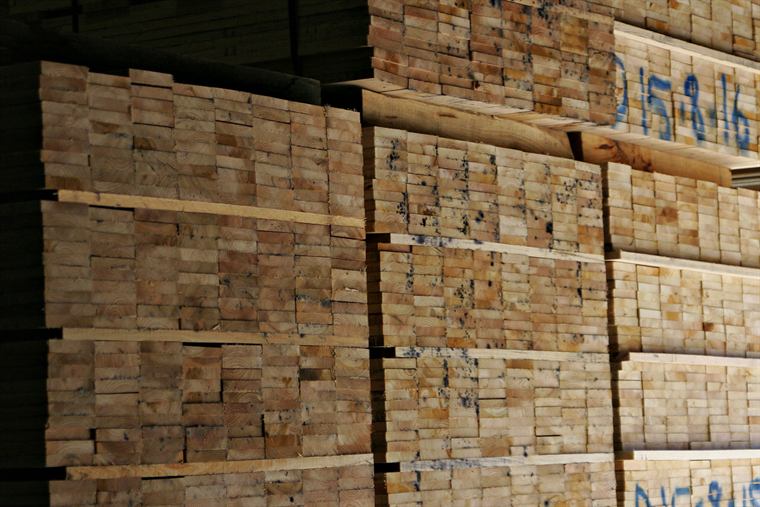
This week in the yard
Every bin gets a tag, a note and a look. These are the six that changed this week - what is in them, and what condition we think it is in after a walk through with a pry bar and a flashlight.
B-04
Forty of them, mostly five-panel, hinges still screwed on. Leaned flat against the rail so the stiles do not cup in the heat.
 B-11
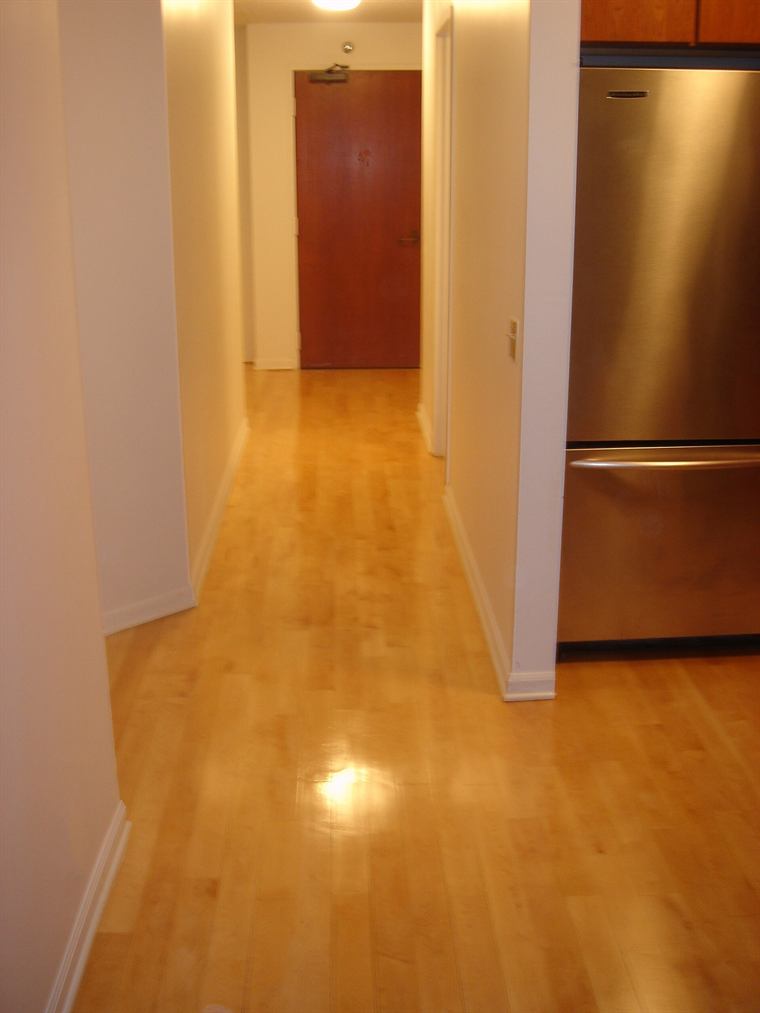
B-11
Banded in bundles, nails pulled, tongue intact on most of the run. Tight ring grain you can count on the end grain.
 B-07
B-07
Old lite glass, cleaned and racked upright. Worth glazing again where the putty comes off clean and the edges are not chipped.
 B-02
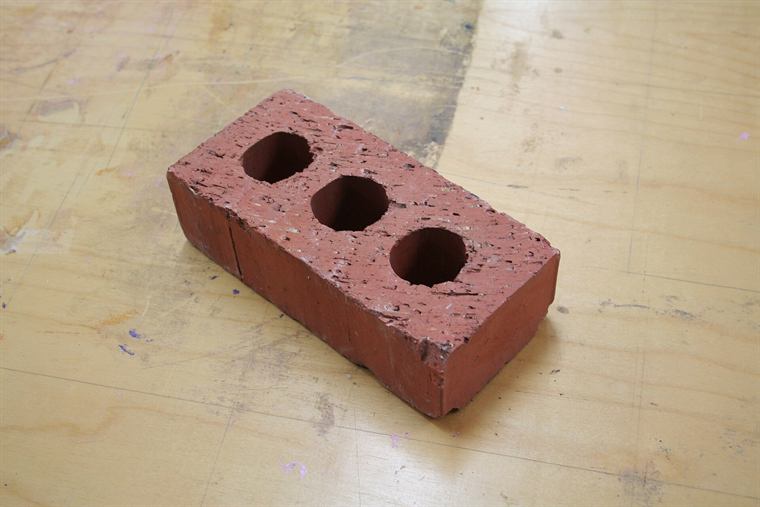
B-02
Sorted by colour and size with the mortar knocked off. Matching is done in daylight on the gravel, never from a photograph.
 B-09
B-09
Racked by length, freight-shed stock. Straight where it matters, checked at the ends, and heavy enough to argue about.
 B-14
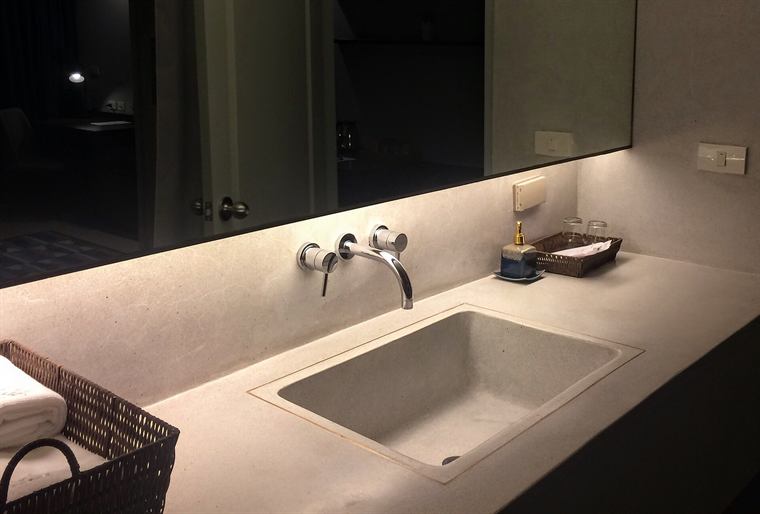
B-14
Sinks, basins and one cast-iron tub on the shelf under the awning. Drains checked for cracks; the finish is your problem.
One page, in public
Three columns, no more: what the lot is, where it came from, and what it is good for now. This is the sheet pinned up by the office door on Friday afternoon.
| Lot | Came from | Now good for |
|---|---|---|
| L-118 Panel doors, 40 |
A school corridor being cleared out, Oak Cliff side | Interior doors for a hallway that wants everything to match |
| L-121 Heart-pine flooring |
A warehouse floor pulled up board by board | Re-laying a floor, or milling short shelves and window stools |
| L-126 Sash and lite glass |
A church side wall, sash taken out whole | Re-glazing in place, or a cold frame for somebody's tomatoes |
| L-130 Common brick, two pallets |
A bungalow chimney and one load-bearing pier | Patch work where new brick would shout at the old |
| L-134 Beams, 18 ft and up |
A freight shed roof structure | Mantels, lintels, a bench top that will outlive the bench |
| L-141 Fixtures, mixed |
Two bathrooms and a utility room, same address | Replacement where the pattern still runs, or a plain good sink |
Where the paperwork ran out, "came from" is our honest best guess, and we say so on the tag. Provenance here is a note, not a certificate.
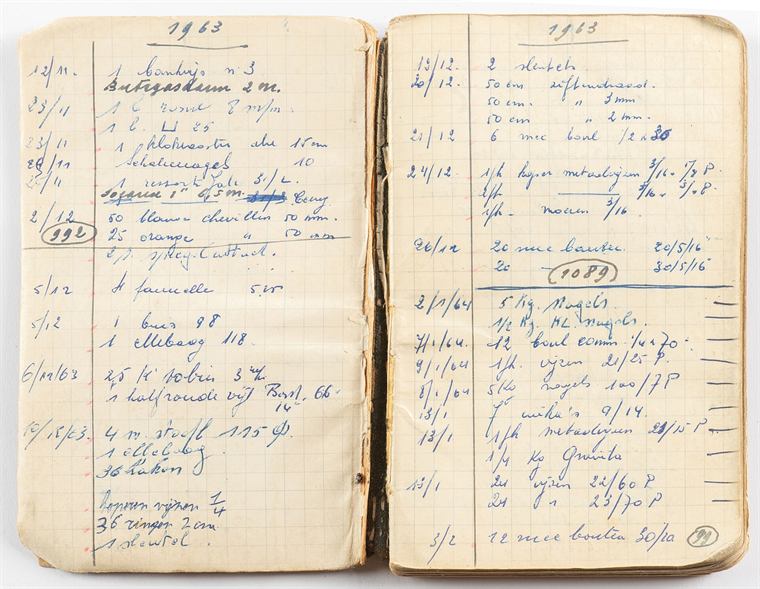
Why a ledger at all. Material with no story behind it is just heavy. If we know the building, we write it down; if we only know the neighbourhood, we write that. It keeps the yard honest and it saves an argument later.
Reuse guides
Two of the jobs that come up every week in the yard. Both are written as they are actually done here, with the mistakes left in.
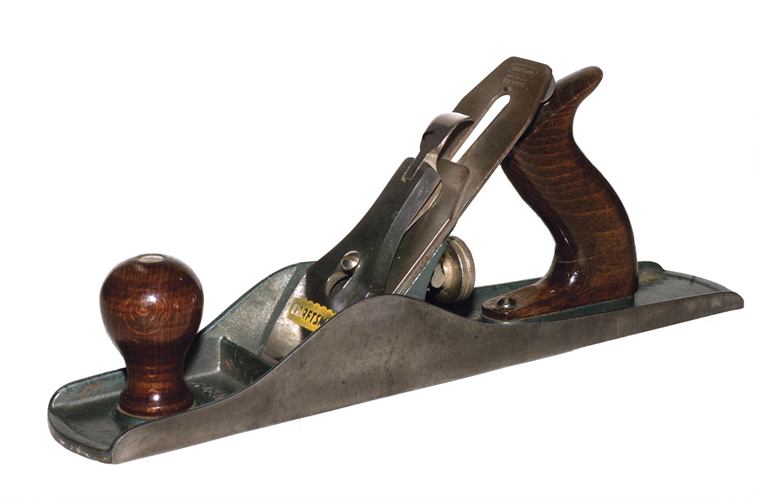
Heat, a card scraper and patience. What to stop doing the moment the grain starts to fuzz, and why the moulding side gets handled like glass.
Read the guide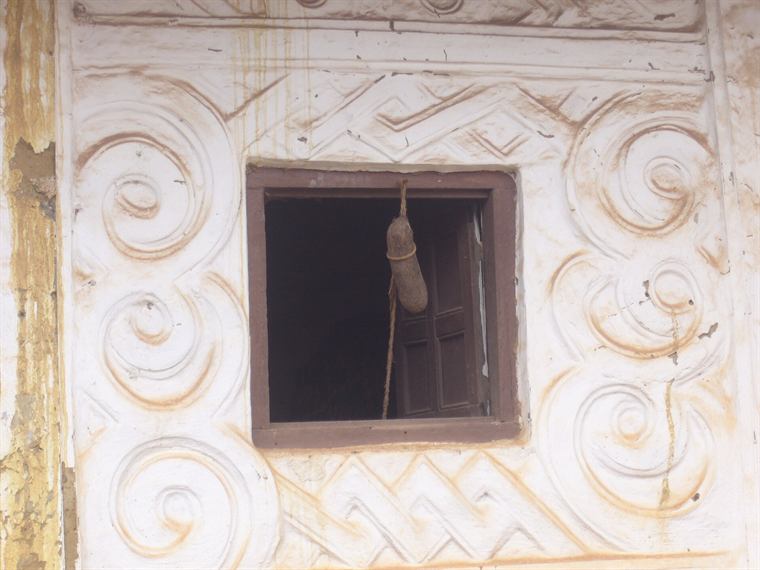
Out with the failed putty, in with new glazing compound, and the old glass back where it belongs if it is still flat and clear.
Read the guideTrade glossary
The upright sides of a door or window frame. The part a hinge screws into, and the part that swells every August in this town.
One piece of glass in a sash or a door. A six-lite sash has six panes and, usually, one that cracked last winter.
The upright post between two openings. People say mullion when they mean muntin, and the yard corrects it about once a day.
How much of the jamb or door is left showing after the trim goes on. Also the moment a stripped door stops looking ruined.
Old-growth longleaf pine: tight-ringed, resinous, hard on saw blades. Flooring milled from it usually outlives the building it came out of.
More on the sign board
Twenty-two words in total, grouped the way the bins are grouped, each defined the way the yard says it at the gate rather than the way a catalogue writes it.
If a word on a tag does not make sense, call and ask. Explaining it once is quicker than explaining it at the loading bay with a truck running.
Connect
Call before you load. The gate swings, but the yard moves: a bin that held forty doors on Tuesday can hold twelve by Friday.